AI Customer Service Is Not a Single Tool. It Is a Strategy Across Channels.
When Singapore business owners think about AI customer service, they usually picture a chatbot on their website. That is one piece, but it is not the full picture. AI customer service in 2026 spans phone calls, WhatsApp, live chat, email, and social media, and the most effective implementations coordinate across all of these channels.
This guide covers how to implement AI customer service across each channel, what works for Singapore businesses specifically, and how to avoid the common mistakes that lead to frustrated customers and wasted investment.
Channel 1: Phone (AI Voice Agents)
Phone remains the primary customer service channel for many Singapore businesses, particularly in healthcare, F&B, home services, and professional services. Older demographics and urgent enquiries overwhelmingly default to phone calls.
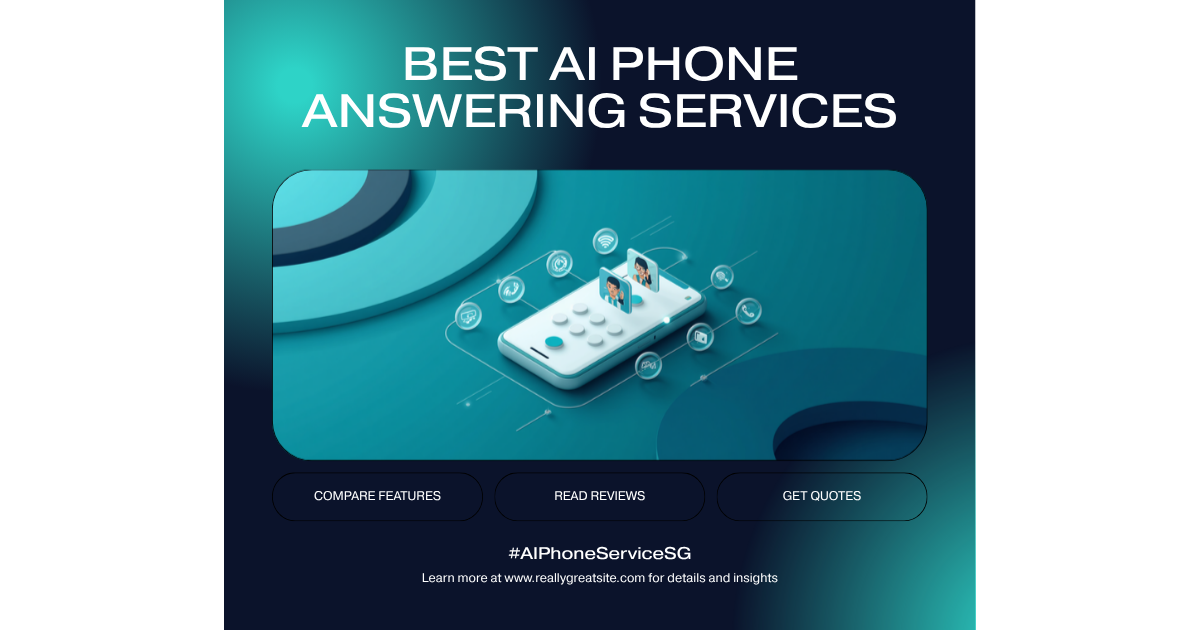
AI voice agents answer calls, handle enquiries, book appointments, and route complex issues to human staff. The technology has improved dramatically, with natural-sounding voices, multilingual capability, and the ability to understand context and follow-up questions.
For Singapore businesses, the key requirements are trilingual support (English, Mandarin, Bahasa), integration with booking and CRM systems, and clear escalation paths for issues that need human intervention.
AI voice agents are best suited for high-volume, repetitive call types: appointment bookings, operating hours and location enquiries, order status checks, and FAQ responses. They are less suited for emotional situations (complaints, disputes), complex technical troubleshooting, or calls where the customer explicitly requests a human.
Our complete guide to AI receptionists covers phone AI in detail.
Channel 2: WhatsApp Business
WhatsApp is Singapore's dominant messaging platform, and many businesses receive a significant portion of customer service enquiries through WhatsApp Business. AI chatbots integrated with WhatsApp Business API can handle order tracking, FAQ responses, appointment confirmations, and simple service requests.
The implementation involves connecting an AI chatbot to your WhatsApp Business API account. The bot receives messages, processes the intent, and either responds directly or escalates to a human agent. Most platforms show the human agent the full conversation history so the customer does not need to repeat themselves.
For Singapore businesses, WhatsApp AI is particularly effective because customers are already comfortable with the platform. There is no friction of visiting a website or downloading a new app. The customer messages your WhatsApp number and gets an immediate response.
Key considerations for WhatsApp AI include response time expectations (WhatsApp users expect fast replies, so the AI should respond within seconds), rich media support (the AI can send images, documents, and location pins), and opt-in compliance (ensure you have proper consent before sending automated messages).
Channel 3: Website Live Chat
AI-powered live chat on your website handles visitor enquiries in real time. This is particularly valuable for ecommerce sites, SaaS businesses, and any company where visitors have questions during the buying process.
The most effective implementations are proactive rather than reactive. Instead of waiting for visitors to click a chat icon, the AI initiates conversations based on visitor behaviour. If someone has been on a pricing page for 60 seconds, the chat offers to answer pricing questions. If someone is browsing a product category repeatedly, the chat offers product recommendations.
For Singapore businesses, website chat AI should support English at minimum, with Mandarin capability as a strong advantage. The bot should integrate with your CRM to capture lead information and with your product catalogue to provide accurate product details.
Channel 4: Email
AI email handling is less real-time but valuable for businesses that receive high volumes of customer service email. The AI categorises incoming emails by type (enquiry, complaint, return request, order issue), drafts responses based on your templates and knowledge base, and flags emails that need human attention.
For Singapore businesses, AI email processing is most valuable for ecommerce (order issues, returns, product questions), professional services (intake and scheduling), and any business receiving more than 20 customer service emails per day.
Building a Coordinated Multi-Channel Approach
The most effective AI customer service implementations coordinate across channels. A customer who calls about an issue should not need to re-explain when they follow up on WhatsApp. A website chat conversation should be logged in the same system as phone and email interactions.
This requires choosing AI tools that share a common knowledge base and customer record. Many platforms now offer unified AI customer service across phone, chat, WhatsApp, and email from a single dashboard.
For Singapore SMBs starting from scratch, the recommended approach is to implement one channel first (usually phone or WhatsApp, depending on where most customer interactions happen), measure results, and then expand to additional channels.
Measuring AI Customer Service Performance
Track these metrics to understand whether your AI customer service is working.
Resolution rate measures the percentage of enquiries the AI resolves without human intervention. Aim for 60 to 80 percent for FAQ-type queries and straightforward requests.
Customer satisfaction can be measured through post-interaction surveys, sentiment analysis of conversations, and monitoring how often customers request to speak with a human.
Response time should improve dramatically with AI. Phone calls should be answered instantly. WhatsApp and chat messages should receive responses within seconds. Email categorisation and draft responses should happen within minutes.
Escalation quality measures whether the AI provides useful context when handing off to a human. A good AI gives the human agent a summary of the issue, the customer's history, and the steps already taken.
Common Mistakes to Avoid
Deploying AI across too many channels at once is the most common mistake. Start with one, get it right, then expand.
Not providing an easy path to a human frustrates customers. Every AI interaction should have a clear, simple way for the customer to reach a real person if they want one.
Using generic, off-the-shelf AI without customisation leads to poor experiences. The AI needs to know your specific business, products, policies, and common customer issues.
Ignoring language requirements in Singapore means losing a significant portion of your customer base. Multilingual support is not optional for any customer-facing AI in this market.
Get Started
Swop Labs AI Front Desk handles the phone channel of AI customer service for Singapore businesses, with trilingual support and booking integration.
Chat with us on WhatsApp to discuss your customer service needs. We reply within one Singapore business day.